
Home Repairs
Why Won’t My Window Stay Open? Check the Balance First
By Ivan ·
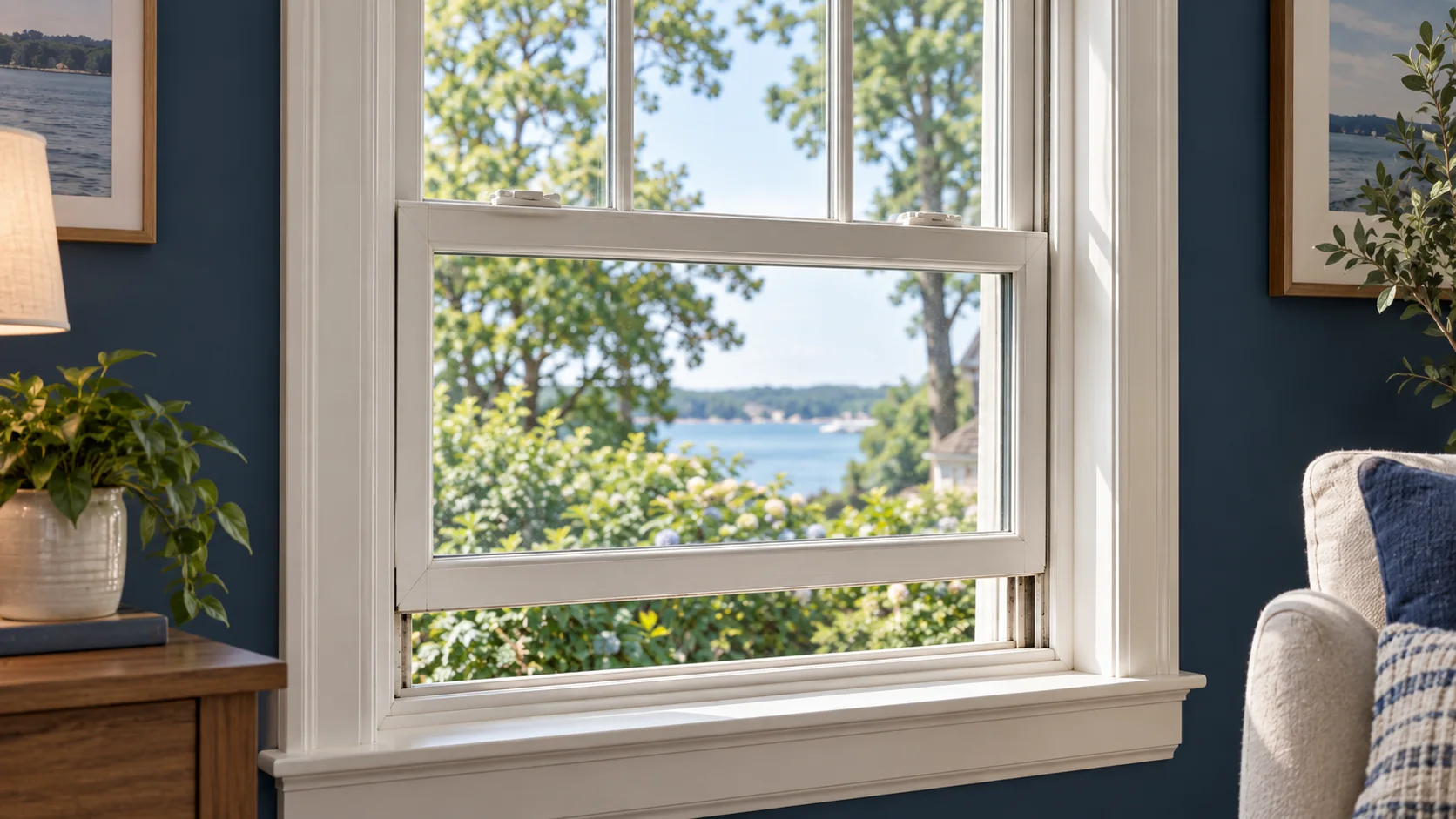
If a double-hung window slides down after you raise it, the sash balance is one of the first things to check. The balance helps counter the sash’s weight so it can move and stay in position. A disconnected pivot, worn balance, damaged shoe, or another hardware fault can produce a similar symptom, so the cause should be identified before parts are ordered.
Keep hands and children clear of a sash that drops. Do not use a stick or other loose object to hold it open, and do not remove a sash unless you have instructions for that exact window model.
What the window balance does
A balance supports the moving sash as it opens and closes. Different windows use different balance styles, including spring or coil assemblies and cord-based systems. Andersen’s model-specific guidance, for example, describes balancers that hold double-hung sashes in position and notes that a sash may slide down when its pivot pin is not engaged with the balance shoe.
That example is not a universal repair procedure. The parts, release method, and safety steps vary by manufacturer and series. A generic online video may show a different system than the one in your home.
A few safe observations
- Note whether the window is single-hung or double-hung and whether one or both sashes move.
- Watch whether the sash drops evenly or one side slips first; do not put your fingers into the side tracks.
- Look for visible damage, a loose tilt latch, or a sash that is out of square without forcing it back into place.
- Find the brand and series label if it is accessible without removing trim or hardware.
- Take a photo of the whole window and both lower jambs for a repair estimate.
Why you should not remove the sash casually
Some balance systems contain springs or tensioned cords, and the sash itself can be heavy. Manufacturer service instructions warn that a sash must be supported during certain removal steps because it can fall or move unexpectedly. If the window is above ground level, keep children away and do not lean out to reach the hardware.
If the sash has tilted out, feels loose, or drops suddenly, stop operating it. A professional can identify the window model, inspect the balance and connection points, and determine whether the part can be reset or needs replacement.
Repair, parts, or a different window problem?
When the frame and sash are sound and a compatible balance is available, a hardware repair may restore normal operation. If the jamb is split, the sash is warped, or the frame is rotten, replacing a balance alone may not solve the problem. A painted-shut sash, broken lock, or poor fit can also feel like a balance failure even when the balance is not the cause.
For the larger repair-versus-replacement decision, see the window repair or replacement guide.
What to send with a repair request
Include a short description and photos when contacting a window repair professional. Blue Whale’s window scope includes balance and hardware replacement, along with sill, screen, and one-off window work. The correct part still depends on the make and model.
Common questions
Is a window balance the same as a lock?
No. The balance supports sash movement; the lock secures the sash when it is closed. A window that will not stay raised may have a balance issue even if the lock works.
Can I keep using a window that slides down?
Avoid leaving it open or operating it if it drops unexpectedly. Keep people clear of the sash until the hardware is assessed.
Do window balances come in one standard size?
No. Balance type and size depend on the window design, sash, and manufacturer. Identifying the window model helps avoid ordering an incompatible part.
Should both window balances be replaced?
That depends on the window system and condition of both sides. A repair professional can compare the parts and follow the manufacturer’s guidance for that model.