
Home Repairs
Touch Up the Paint or Repaint the Whole Wall?
By Ivan ·
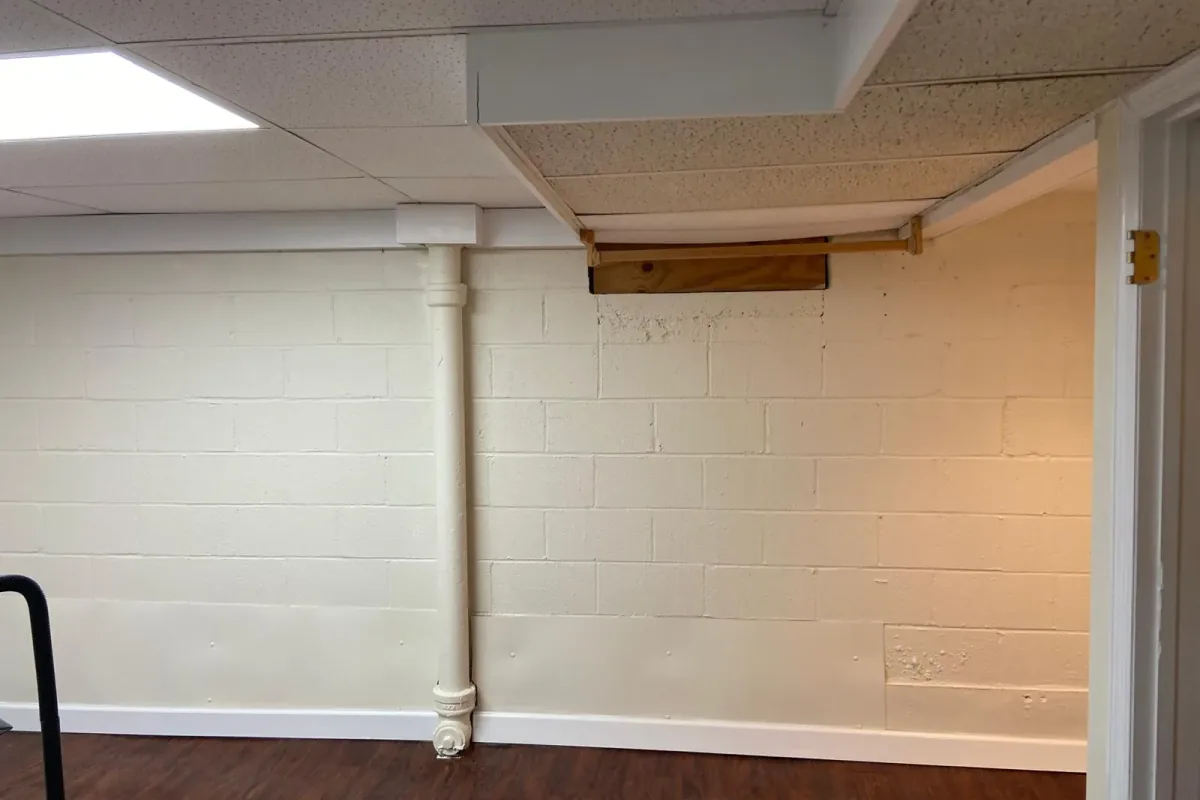
A touch-up is worth trying when the damage is small and the surrounding finish is in good condition. Repainting the wall becomes the stronger option when the repaired area remains visible after drying, or when the wall already has widespread wear. You can often use corners or other natural breaks to define the repainting area.
Separate cleaning from repainting first. A removable mark may need only the cleaning method permitted by the paint manufacturer. A dent, torn surface or missing coating needs repair before color is considered. Aggressive rubbing can also change the appearance of some finishes, so test discreetly.
Choose the scope by the condition
| Situation | Reasonable first option | When to expand |
|---|---|---|
| A small scuff on sound paint | Manufacturer-approved cleaning | The mark remains or the finish becomes uneven |
| A tiny filled hole with matching paint available | Prepared and primed spot repair as required | The patch or sheen remains noticeable |
| Several patches spread across one wall | Assess the wall as one finish area | Local spots produce a visibly broken surface |
| Unknown paint or an aged finish | A discreet matching test | Color, texture or gloss cannot be matched acceptably |
| Peeling, staining or repeated cracking | Assess the cause and surface condition | Repair requirements extend beyond the visible mark |
Matching paint involves more than the color name
The original product, sheen and application method help explain why the same color can still look different. A brush mark on a rolled wall may have a different texture; a glossy patch may catch light more strongly than its surroundings. Age and cleaning history can also affect the existing surface.
If you have leftover paint, check its condition and follow the manufacturer’s storage and mixing guidance. A labeled can is useful information, but its age alone does not establish that the contents are suitable. A store color match is a starting point for a test rather than a guarantee of a seamless result.
Assess the repair under normal lighting
Look straight at the area and from the angles you use when entering the room. Daylight across a wall may reveal differences that are hard to see under a ceiling light. Wait for the coating to dry according to its instructions before judging the appearance.
Decide what level of difference you will accept. A small mark behind a door may justify a different finish standard from a prominent wall beside a large window. Make that decision before repeatedly enlarging the touch-up area.
A drywall patch may need a different finishing plan
If the surface has been filled or replaced, see why drywall patches can show through paint.
An area that is flat but more absorbent can look different from one that is actually raised or rough. More finish paint does not correct every surface defect. Establish whether you are trying to match color, texture, surface level or sheen.
Use natural breaks to limit a repaint
Repainting one wall to corners may be enough when adjoining walls remain acceptable. In an open room, a continuous wall or ceiling may have no convenient break; ask the painter to explain where the new coating will stop and what difference may remain.
That boundary is part of the scope described in our interior painting estimate guide.
Before disturbing older painted surfaces, identify any lead-safe preparation requirements. Do not treat scraping or sanding unknown old coatings as an ordinary matching test.
Send the wall and the defect, not just the paint code
For help choosing the repair and finish area, contact our interior painting crew with a close-up, a full-wall photo and any original paint details.
Include the room’s normal lighting and whether you want the surrounding walls, ceiling or trim included. That gives an assessment a clearer goal than asking for an invisible touch-up without seeing the wall.
Common questions
Can I repaint just one wall in a room?
Often, if there is a natural boundary and you accept any difference from adjacent surfaces. Confirm the intended color and sheen, and look at the room in daylight before choosing the limit.
Will the same color code always match?
No. Product, sheen, existing surface condition, texture and lighting can affect the result. A matching color code helps identify the paint but does not establish a perfect blend.
Should I keep adding coats until the patch disappears?
First identify why it is visible. A raised repair, texture difference or uneven absorbency may need preparation or primer rather than repeated finish coats.
Is a darker wet touch-up proof that it is wrong?
Judge the coating after the drying period in its product instructions. Wet appearance alone is not a reliable final color or sheen comparison.