
Project Planning
Interior Painting Cost on Long Island: What Changes the Estimate?
By Ivan ·
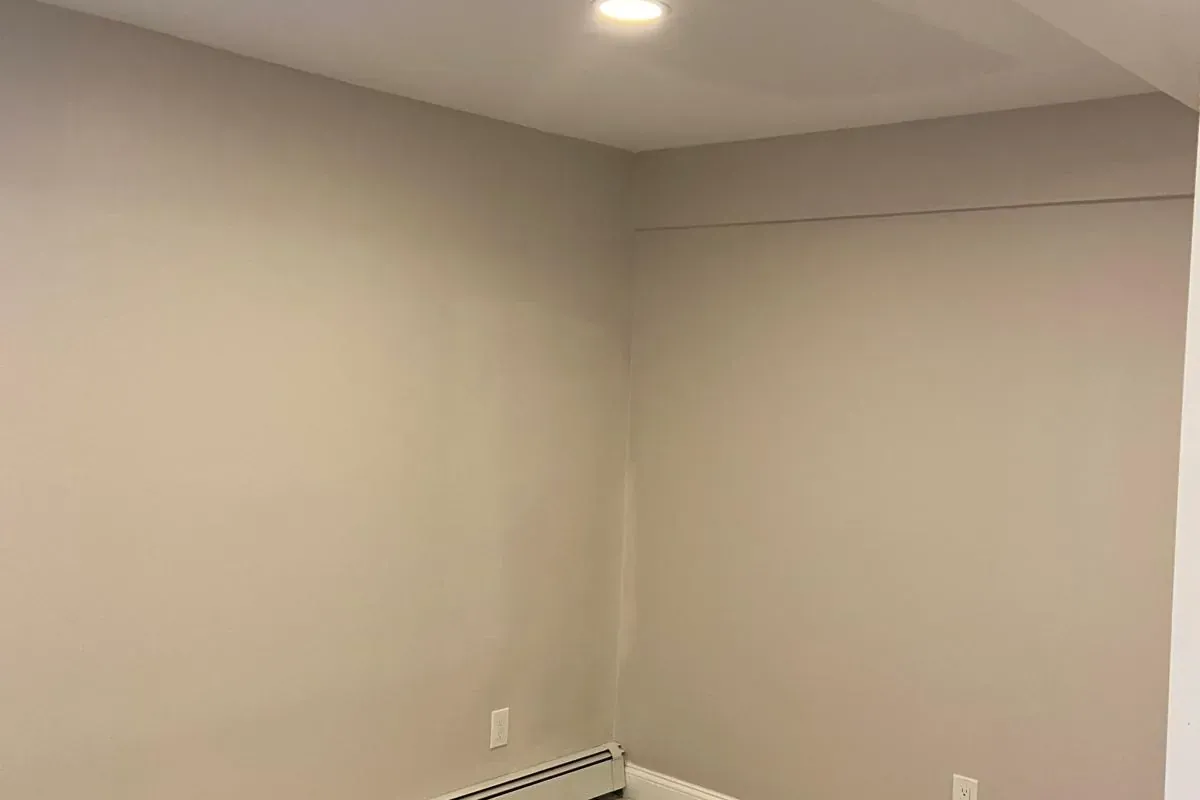
A bedroom repaint can mean walls only, or it can mean repairing cracks, changing a dark color, repainting the ceiling and refinishing every door and baseboard. Those are different jobs even when the floor area is identical. The useful starting point for a Long Island painting estimate is a surface-by-surface scope.
Start by deciding what result you want: cleaner walls, a new color scheme, repaired surfaces or a complete room refresh. Then photograph the room in ordinary daylight, including the areas behind furniture. A close-up of one dent helps identify a repair; a wider view shows the amount of work around it.
The main factors behind the quote
| Factor | What changes the work | What to ask |
|---|---|---|
| Surface condition | Patches, failed tape, stains, peeling coatings and uneven texture | Which repairs are included, and which need assessment? |
| Surfaces included | Walls alone versus ceilings, trim, doors and closets | Can each included surface be listed by room? |
| Access | Stairwells, tall ceilings, furniture and narrow work areas | Who clears the room and provides safe access? |
| Finish change | New color, sheen, substrate or incompatible previous coating | What preparation and coating system are specified? |
| Materials | Primer, finish paint, repair materials and protection | Who supplies them, and what products are allowed? |
| Scheduling | Occupied rooms, drying intervals and phased access | What will remain usable, and when? |
Preparation can matter more than the paint quantity
A smooth, sound wall needs a different allowance from one with damaged corners or multiple old repairs. Ask whether the proposal includes filling small defects, correcting failed joints, priming repaired areas and addressing stains. “Prep included” is useful only when both sides understand the condition it covers.
Separate an active defect from a finish problem. Painting a water mark after the source has been resolved is different from investigating an ongoing leak. Concealed damage may change the scope once work begins; agree on how additional work will be documented and approved.
- Record visible repairs with photographs.
- Identify rooms with peeling, staining or recurring cracks.
- Ask whether repairs are local or include wall-wide smoothing.
- Confirm protection, cleanup and disposal responsibilities.
Walls, ceilings and trim should be priced as a defined package
Trim and doors involve edges, profiles and hardware that a simple floor-area comparison misses. A small room with many doors may require more detail work than a larger room with uninterrupted walls. Ceiling texture and stairwell access can also change preparation and application.
Consider the boundaries of the finished work. A newly painted wall beside a yellowed ceiling may make the retained surface more noticeable. You do not have to repaint everything, but choose those boundaries deliberately.
Compare a touch-up with a full-wall repaint
For a few marks or repairs, first decide whether touching up or repainting the whole wall is the more realistic finish goal.
A lower quote may assume spot work while another includes repainting to corners. Compare the finished area and preparation, not just the final total. The same principle applies to an estimate expressed per room, per day or per unit of surface area.
Prepare a room-by-room estimate checklist
In older housing, preparation may disturb old painted surfaces. Covered renovation work in pre-1978 homes needs lead-safe planning under EPA guidance; ask about the applicable assessment and work practices before sanding or demolition is scoped.
- Name each room and list walls, ceilings, trim, doors and closets to include.
- Mark the repairs and any water or coating problems needing assessment.
- Choose colors and sheens, or identify decisions still open.
- Confirm furniture moving, floor protection, access and household scheduling.
- Ask for preparation, materials, application scope, cleanup and exclusions in writing.
- Confirm how changes and additional work will be priced before they proceed.
Request a scope you can compare
Our Long Island interior painting service includes assessing wall preparation and the surfaces to be painted. Send your room list, photographs and preferred timing for an individual estimate.
If you want to see how finishes and storage work together, browse the Huntington basement project photo walkthrough.
The most useful estimate describes a result you can recognize: which surfaces will be repaired and painted, what stays, and what happens if the condition differs from the initial assessment.
Common questions
Can you give an exact painting price from room measurements?
Measurements help, but they do not show wall condition, previous coatings, trim detail or access. Photos and an assessment may be needed before the scope and price can be confirmed.
Does supplying my own paint reduce the total?
It changes who supplies one material, but preparation and application still need to be priced. Confirm the product, finish, quantity and responsibility for shortages before buying paint.
Should the estimate guarantee a particular number of days?
Ask for an expected schedule and the assumptions behind it. Repairs, product drying requirements and household access can affect the work sequence; the schedule should explain those dependencies.
How do I compare two quotes with different totals?
Put their included surfaces, preparation, materials, access arrangements, exclusions and change procedures side by side. Ask each contractor to clarify missing items before deciding which total represents better value.